

The Anti-inflammatory Effects of Ganoderma Lucidum
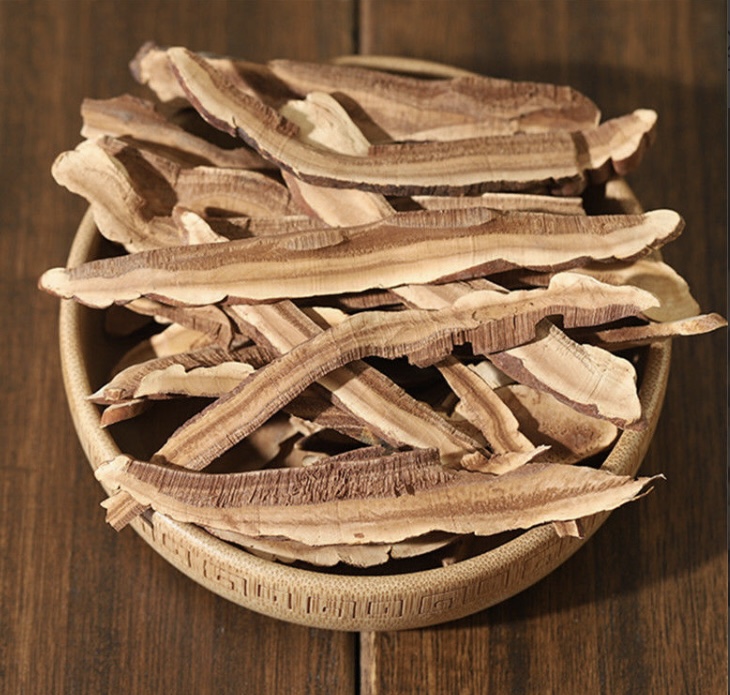
Ganoderma lucidum (also known as reishi or lingzhi mushroom) is a medicinal mushroom widely used in traditional Chinese medicine. It has gained significant attention in modern science for its potent anti-inflammatory properties, which can benefit the body during inflammatory conditions. These effects are attributed to its bioactive compounds, such as polysaccharides, triterpenes, and antioxidants.
How Ganoderma Reduces Inflammation
1. Immune Modulation:
• Ganoderma plays a dual role in the immune system by enhancing its function when needed or suppressing excessive inflammatory responses.
• Polysaccharides and triterpenes in Ganoderma regulate immune cells like macrophages and T-cells, reducing the production of inflammatory cytokines such as interleukin-6 (IL-6) and tumor necrosis factor-alpha (TNF-α).
2. Antioxidant Properties:
• Ganoderma’s antioxidants, including polysaccharides and phenolic compounds, help neutralize free radicals, which are key contributors to oxidative stress and inflammation.
• By reducing oxidative damage, it helps protect tissues from further inflammation-induced harm.
3. Inhibition of Inflammatory Mediators:
• Triterpenes in Ganoderma are known to inhibit cyclooxygenase-2 (COX-2), an enzyme responsible for producing pro-inflammatory prostaglandins.
• This mechanism is similar to how non-steroidal anti-inflammatory drugs (NSAIDs) work but without the associated side effects.
4. Regulation of the HPA Axis:
• Ganoderma helps regulate the hypothalamic-pituitary-adrenal (HPA) axis, which plays a critical role in managing the body’s stress response.
• Since chronic stress can exacerbate inflammation, Ganoderma indirectly supports inflammation control by stabilizing the stress response.
5. Support for Gut Health:
• The polysaccharides in Ganoderma act as prebiotics, promoting a healthy gut microbiome.
• A balanced microbiome is crucial for controlling systemic inflammation, particularly in chronic conditions.
Specific Benefits in Inflammatory Conditions
1. Arthritis:
• Research shows that Ganoderma can reduce joint swelling, alleviate pain, and protect cartilage from degradation in conditions like rheumatoid arthritis.
2. Allergic Inflammation:
• Ganoderma can modulate histamine release and suppress allergic reactions, thereby reducing inflammation caused by allergies.
3. Chronic Inflammatory Diseases:
• Conditions like inflammatory bowel disease (IBD) and autoimmune disorders may benefit from Ganoderma’s ability to downregulate inflammatory pathways.
4. Infection-Related Inflammation:
• Ganoderma exhibits antibacterial and antiviral properties, aiding the immune system in combating infections and reducing inflammation caused by pathogens.
Mechanisms at the Cellular Level
• Ganoderma impacts signaling pathways such as NF-κB and MAPK, which are crucial in regulating inflammation.
• It suppresses the overactivation of these pathways, preventing chronic inflammatory responses.
Safety and Dosage
• General Safety: Ganoderma is generally well-tolerated but may cause mild side effects in some individuals, such as stomach upset or skin rashes.
• Recommended Dosage: A daily dose of 1-3 grams of dried Ganoderma powder or equivalent extract is often used for anti-inflammatory effects. However, it is important to consult with a healthcare professional, especially if taken alongside medications.
Conclusion
Ganoderma lucidum exerts its anti-inflammatory effects through multiple mechanisms, including immune modulation, antioxidant activity, and the inhibition of inflammatory mediators. These properties make it a promising natural supplement for managing acute and chronic inflammatory conditions. However, for optimal results and safety, it is advised to use Ganoderma under the guidance of a healthcare practitioner.


Comments