

How Ganoderma Supports Cellular Health Against Solar Flares and Radiation Damage
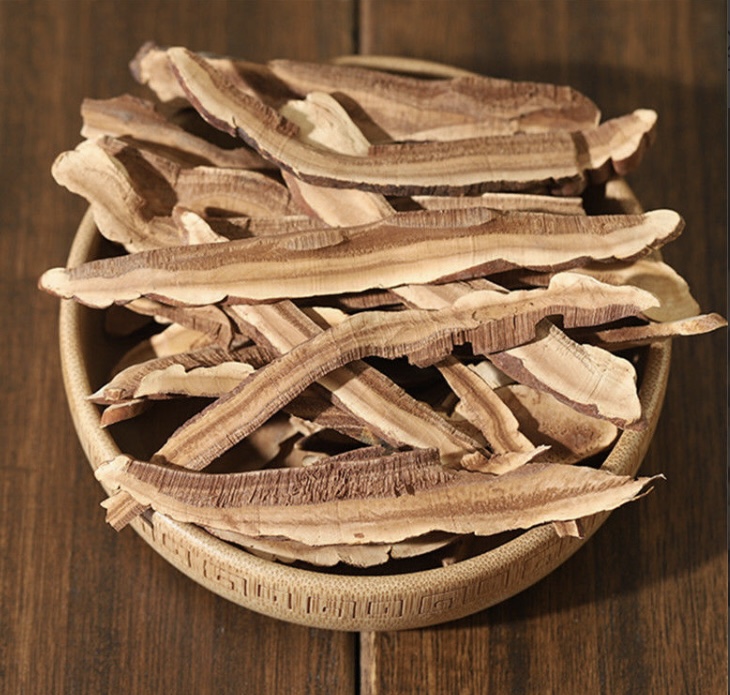
In our modern world, exposure to various types of radiation — from natural sources like the sun to man-made radioactive materials — is an increasing concern for cellular health. Among these, solar flares are powerful bursts of radiation and energetic particles emitted by the sun, capable of disrupting the Earth's magnetic field and impacting living organisms. Interestingly, the medicinal mushroom Ganoderma lucidum (commonly known as Reishi or Lingzhi) has been studied for its potential protective effects against radiation-induced cellular damage, including that caused by solar flares.
Understanding Solar Flares and Their Cellular Impact
Solar flares release intense electromagnetic radiation, including X-rays and ultraviolet rays, as well as high-energy particles. When these reach the Earth, they can increase oxidative stress in biological tissues. Oxidative stress occurs when reactive oxygen species (ROS) — unstable molecules that damage DNA, proteins, and cell membranes — accumulate beyond the body's ability to neutralize them.
This oxidative damage contributes to cellular aging, inflammation, and in severe cases, DNA mutations that may lead to cancer or cell death. For astronauts and high-altitude pilots, solar flare radiation is a particularly significant hazard.
Ganoderma: Nature's Shield Against Radiation
Ganoderma lucidum has been used for centuries in traditional medicine, prized for its immune-enhancing and antioxidant properties. Modern research reveals that Ganoderma contains bioactive compounds such as polysaccharides, triterpenoids, and peptides that combat oxidative stress and support cellular repair mechanisms.
• Antioxidant Action: Ganoderma's antioxidants neutralize ROS, reducing DNA and membrane damage.
• Immune Modulation: It enhances immune function, helping the body's natural defense and recovery processes.
• Radioprotection: Studies indicate Ganoderma extracts help protect normal cells from radiation damage during cancer treatments, and may mitigate side effects.
From Radioactive Exposure to Solar Radiation: Similar Protective Mechanisms
The damaging effects of radioactive substances and solar flares on cells share common pathways: oxidative stress and DNA damage. Ganoderma's radioprotective effects demonstrated in studies of ionizing radiation suggest its potential to also alleviate cellular damage caused by solar flare exposure.
While more research is needed to fully understand the extent of Ganoderma's protective benefits against solar flare radiation, its long history of safe use and promising experimental data make it a compelling natural supplement for those concerned about environmental radiation exposure.
Conclusion
Solar flares and radioactive radiation present real challenges to cellular health through oxidative damage and inflammation. Ganoderma lucidum, with its powerful antioxidant and immune-boosting properties, offers a natural means to support the body's defense and repair systems against such damage. Integrating Ganoderma into a health regimen could be a proactive step towards safeguarding cellular function in our increasingly radiation-exposed world.
⸻


Comments