

Autophagy and Ganoderma mushroom!
- Mushroom Boost
- Nov 26, 2024
- 1 min read
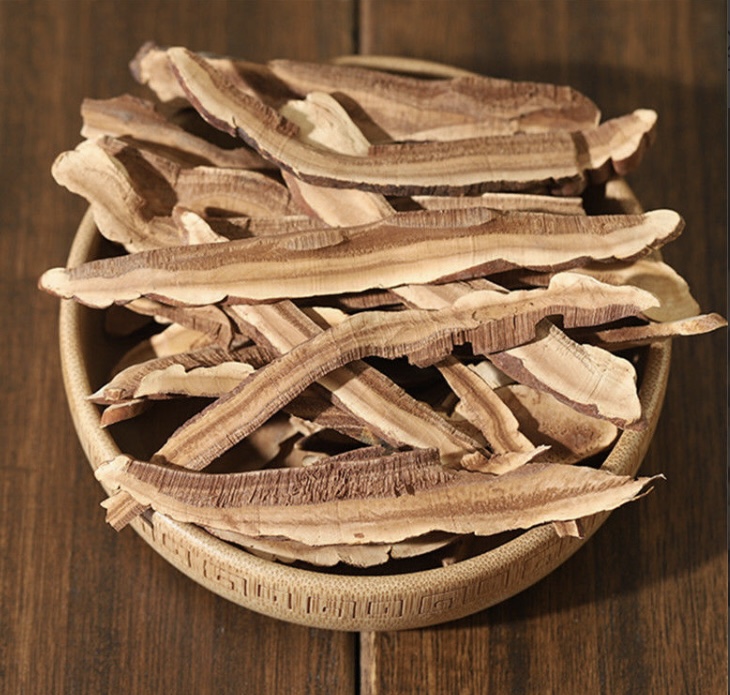
Ganoderma lucidum, commonly known as Reishi or Lingzhi, has been studied for its potential effects on autophagy, the cellular process of breaking down and recycling damaged or unnecessary components. Autophagy is crucial for maintaining cellular health and is associated with anti-aging, immune system regulation, and the prevention of certain diseases, including cancer and neurodegenerative disorders.
How Ganoderma Supports Autophagy:
1. Polysaccharides and Triterpenoids:
Active compounds in Ganoderma, such as polysaccharides and triterpenoids, have been shown to modulate autophagy. These compounds may help eliminate damaged cells, reduce oxidative stress, and improve cellular function.
2. Anti-Inflammatory Properties:
Chronic inflammation can inhibit autophagy. Ganoderma’s anti-inflammatory effects can create a cellular environment conducive to effective autophagy.
3. Cancer Prevention:
Studies suggest Ganoderma may influence autophagy in cancer cells, helping suppress tumor growth by triggering programmed cell death (apoptosis) alongside autophagic mechanisms.
4. Neuroprotection:
Ganoderma’s neuroprotective properties might be linked to its ability to regulate autophagy in neurons, potentially offering benefits for conditions like Alzheimer’s and Parkinson’s disease.
Research Insights:
While preclinical studies and laboratory research have shown promising links between Ganoderma and autophagy, more human studies are needed to confirm these effects and their potential therapeutic applications. However, its role as an adaptogen and a regulator of cellular health suggests that it could be a valuable supplement for supporting autophagic processes.


Comments